Dernier chapitre plus
Aucun chapitre n'a été créé
0.0
0 votes
Langue: Français
Synopsis
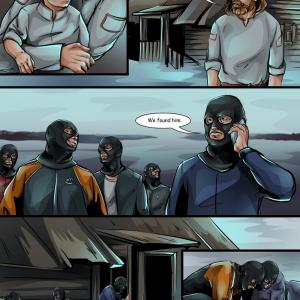
A multi-taleted man named Godai Yusuke gains the power of the ancient warrior "Kuuga", and with the help of officer Ichijo Kaoru, fights the murderous monsters known as the Grongi, in order to save humanity. But things start to grow complicated when another Kuuga-like entity appears, and the police decide to build their own anti-grongi suit. A brand new retelling of Masked Rider Kuuga and Masked Rider Agito events.
suiveur
Post plus
Transmettre
Suivre
Rapport
Original
ciampo
ciampo
Aug 16, 2018
#Masked-Honors-Student-And-Hikikomorisuban mas :v
0
Transmettre
Suivre
Rapport
Original
Calvin Greenlief
Calvin Greenlief
Aug 16, 2025
Introduction to Talaria Sting Models
The motorcycle industry has been undergoing a revolution, and at the forefront of this movement is the growing popularity of electric dirt bikes. Among the most talked-about names in this segment is Talaria Sting, a series of high-performance electric bikes designed for off-road enthusiasts, commuters, and adrenaline seekers alike. Unlike traditional gas-powered dirt bikes, the Talaria Sting blends innovation, sustainability, and raw performance into a package that appeals to both beginners and seasoned riders.
But what makes the Talaria Sting stand out? It's the perfect mix of lightweight construction, powerful battery systems, and robust motors that provide thrilling acceleration and speed without compromising durability. More importantly, the brand has consistently refined its models over the years to keep up with rider expectations, setting new benchmarks for electric two-wheelers.
Whether you're a rider looking for an eco-friendly commuting solution, an off-road adventurer seeking thrills on rugged trails, or someone curious about the future of dirt bikes, exploring the different Talaria Sting models is an eye-opener. In this article, we'll dive deep into the evolution of these bikes, the differences between models, their performance capabilities, and how they compare to competitors like Sur-Ron.
What is Talaria Sting?
The Talaria Sting is a line of electric dirt bikes built to provide speed, agility, and endurance without relying on fossil fuels. Known for their sleek design and powerful performance, these bikes bridge the gap between traditional dirt bikes and modern electric mobility.
At the heart of every Talaria Sting is an electric motor paired with a lithium-ion battery pack. Together, they deliver silent yet powerful rides that can rival gas-powered bikes in both torque and acceleration. This makes them ideal for outdoor exploration where noise regulations might restrict traditional dirt bikes.
The brand has built its reputation by focusing on affordability and accessibility, making it possible for more riders to enjoy high-performance electric biking. With models like the Sting MX3, MX4, and Sting R, Talaria caters to different segments of riders, from casual hobbyists to competitive racers.
The Rise of Electric Dirt Bikes
The rise of electric dirt bikes is not a coincidence - it's the result of technological innovation, environmental awareness, and shifting consumer preferences. Riders are increasingly drawn to electric bikes for several reasons:
Eco-Friendly Appeal: Unlike gasoline dirt bikes, electric versions produce no emissions, making them environmentally sustainable.
Quiet Operation: Electric dirt bikes allow riders to explore trails without disturbing wildlife or local communities.
Low Maintenance: With fewer moving parts, electric bikes are easier and cheaper to maintain.
Instant Power: Electric motors deliver instant torque, translating to faster acceleration and more control.

Over the last decade, brands like Sur-Ron and Talaria have led the charge, proving that electric dirt bikes aren't just novelties but serious machines capable of competing with their fuel-powered counterparts. Talaria Sting models, in particular, have gained a cult following for their blend of affordability and performance, giving enthusiasts a chance to embrace the future of biking without breaking the bank.
Evolution of Talaria Sting Models
The journey of the Talaria Sting models is a story of continuous improvement. Unlike many startups that release one or two bikes before fading away, Talaria has managed to create a solid lineup, refining each version based on rider feedback and advancing technology.
First Generation of Talaria Sting
The Sting MX3 was the first model to make its mark. Launched as a budget-friendly yet performance-packed dirt bike, the MX3 quickly became popular among younger riders and those looking to transition from traditional dirt bikes to electric options. It had a robust aluminum frame, a removable lithium-ion battery, and a motor powerful enough to handle trails and city commutes alike.
What set the MX3 apart was its simplicity and adaptability. Riders loved its lightweight build and customizable nature, which allowed them to add aftermarket parts, upgrade suspensions, and even extend range with higher-capacity batteries.
Improvements in Successive Models
Building on the success of the MX3, Talaria introduced the MX4. This wasn't just a rebranded version - it was a significant upgrade. With a larger battery, stronger motor, and improved suspension, the MX4 catered to riders who demanded more power and better handling. The MX4 also featured better cooling systems for the motor and improved ergonomics, making it more comfortable for long rides.
Following the MX4 came the Sting R models, designed specifically for racing and extreme off-road performance. With top speeds exceeding earlier models and reinforced frames, these bikes proved that electric dirt bikes could dominate competitive circuits too.
Key Differences Between Generations
Battery Capacity: Each new generation offered larger, more efficient battery packs.
Motor Power: From the MX3 to the R models, motor output increased significantly.
Suspension: Successive models came with more advanced suspension systems for rugged terrain.
Design: Later models refined ergonomics, weight distribution, and rider comfort.

This step-by-step evolution is what makes the Talaria Sting lineup so appealing - it's a brand that listens to riders and pushes forward.
Talaria Sting MX3 - The Original Model
The Talaria MX3 deserves recognition as the bike that started it all. It wasn't perfect, but it introduced the world to the potential of Talaria in the electric dirt bike space.
Design and Build Quality
The MX3 featured a lightweight aluminum alloy frame, balancing durability and portability. Riders appreciated the bike's compact design, which made it easy to maneuver on trails or city streets. While not as advanced as later models, its build was strong enough to handle rough terrains without feeling flimsy.
Performance and Riding Experience
Equipped with a mid-mounted motor and a swappable lithium-ion battery, the MX3 delivered respectable torque and acceleration. On average, it could reach top speeds of 45–50 mph, with a range of 40–50 miles per charge, depending on terrain and riding style. For a first-generation electric dirt bike at an affordable price, these numbers were impressive.
Riders particularly enjoyed the smooth acceleration and quiet ride, which felt both futuristic and refreshing compared to the noise of traditional dirt bikes.
Pros and Cons of the MX3
Pros:
Affordable entry point into electric dirt bikes
Lightweight and easy to control
Swappable battery system
Good aftermarket support for upgrades

Cons:
Limited range compared to newer models
Suspension not ideal for aggressive off-road riding
Lower top speed compared to MX4 and R models

The MX3 proved that electric dirt bikes could be practical and enjoyable without costing a fortune, cementing Talaria's place in the market.
Talaria Sting MX4 - The Advanced Upgrade
After the MX3's success, Talaria introduced the MX4, which built upon its predecessor while addressing key limitations. This model represented a leap forward in performance and durability, attracting a new wave of enthusiasts.
Engine and Battery Enhancements
The MX4 came with a higher-capacity battery, extending the range beyond 60 miles in optimal conditions. Its motor also received a significant power bump, allowing for faster acceleration and higher top speeds. Riders noticed that the MX4 could keep up with more expensive competitors while still maintaining an affordable price tag.
Handling and Suspension Improvements
One of the biggest upgrades in the MX4 was its suspension system. Equipped with stronger front forks and a more responsive rear shock, the MX4 offered a smoother ride even on rough terrains. This made it suitable not just for casual trail riding but also for competitive and high-speed adventures.
Pros and Cons of the MX4
Pros:
Extended battery life and range
Better suspension for rough terrains
Improved handling and acceleration
Stronger motor performance

Cons:
Slightly heavier than the MX3
Higher price point (though still affordable compared to rivals)
Still not as race-focused as the Sting R models

With the MX4, Talaria showcased that they weren't just experimenting with electric bikes - they were here to stay.
Comparing Talaria Sting MX3 vs MX4
The MX3 and MX4 are often compared because they represent the evolution of Talaria from a budget-friendly entry model to a more performance-focused machine.
Performance Comparison
Top Speed: MX3 reaches around 45–50 mph, while MX4 can exceed 55 mph.
Battery Range: MX3 offers up to 50 miles; MX4 extends beyond 60 miles.
Torque: MX4 provides stronger acceleration, better suited for steep trails.
Suspension: MX4's upgraded suspension offers a smoother, more controlled ride.

Price and Value for Money
The MX3 remains the affordable choice, perfect for beginners or casual riders. The MX4, though slightly more expensive, delivers significantly better performance, making it the value-for-money option for those wanting more power without jumping to the premium R models.
Which One Should You Choose?
Pick the MX3 if you're new to electric dirt bikes, want something lightweight, and prefer affordability.
Pick the MX4 if you want a more powerful, versatile machine capable of tackling tougher terrains and longer rides.

Both bikes serve their purpose well, and the choice ultimately depends on whether you prioritize budget or performance.
0
Transmettre
Suivre
Rapport
Original
Calvin Greenlief
Calvin Greenlief
Aug 16, 2025
Introduction to Talaria Sting Models
The motorcycle industry has been undergoing a revolution, and at the forefront of this movement is the growing popularity of electric dirt bikes. Among the most talked-about names in this segment is Talaria Sting, a series of high-performance electric bikes designed for off-road enthusiasts, commuters, and adrenaline seekers alike. Unlike traditional gas-powered dirt bikes, the Talaria Sting blends innovation, sustainability, and raw performance into a package that appeals to both beginners and seasoned riders.
But what makes the Talaria Sting stand out? It's the perfect mix of lightweight construction, powerful battery systems, and robust motors that provide thrilling acceleration and speed without compromising durability. More importantly, the brand has consistently refined its models over the years to keep up with rider expectations, setting new benchmarks for electric two-wheelers.
Whether you're a rider looking for an eco-friendly commuting solution, an off-road adventurer seeking thrills on rugged trails, or someone curious about the future of dirt bikes, exploring the different Talaria Sting models is an eye-opener. In this article, we'll dive deep into the evolution of these bikes, the differences between models, their performance capabilities, and how they compare to competitors like Sur-Ron.
What is Talaria Sting?
The Talaria Sting is a line of electric dirt bikes built to provide speed, agility, and endurance without relying on fossil fuels. Known for their sleek design and powerful performance, these bikes bridge the gap between traditional dirt bikes and modern electric mobility.
At the heart of every Talaria Sting is an electric motor paired with a lithium-ion battery pack. Together, they deliver silent yet powerful rides that can rival gas-powered bikes in both torque and acceleration. This makes them ideal for outdoor exploration where noise regulations might restrict traditional dirt bikes.
The brand has built its reputation by focusing on affordability and accessibility, making it possible for more riders to enjoy high-performance electric biking. With models like the Sting MX3, MX4, and Sting R, Talaria caters to different segments of riders, from casual hobbyists to competitive racers.
The Rise of Electric Dirt Bikes
The rise of electric dirt bikes is not a coincidence - it's the result of technological innovation, environmental awareness, and shifting consumer preferences. Riders are increasingly drawn to electric bikes for several reasons:
Eco-Friendly Appeal: Unlike gasoline dirt bikes, electric versions produce no emissions, making them environmentally sustainable.
Quiet Operation: Electric dirt bikes allow riders to explore trails without disturbing wildlife or local communities.
Low Maintenance: With fewer moving parts, electric bikes are easier and cheaper to maintain.
Instant Power: Electric motors deliver instant torque, translating to faster acceleration and more control.

Over the last decade, brands like Sur-Ron and Talaria have led the charge, proving that electric dirt bikes aren't just novelties but serious machines capable of competing with their fuel-powered counterparts. Talaria Sting models, in particular, have gained a cult following for their blend of affordability and performance, giving enthusiasts a chance to embrace the future of biking without breaking the bank.
Evolution of Talaria Sting Models
The journey of the Talaria Sting models is a story of continuous improvement. Unlike many startups that release one or two bikes before fading away, Talaria has managed to create a solid lineup, refining each version based on rider feedback and advancing technology.
First Generation of Talaria Sting
The Sting MX3 was the first model to make its mark. Launched as a budget-friendly yet performance-packed dirt bike, the MX3 quickly became popular among younger riders and those looking to transition from traditional dirt bikes to electric options. It had a robust aluminum frame, a removable lithium-ion battery, and a motor powerful enough to handle trails and city commutes alike.
What set the MX3 apart was its simplicity and adaptability. Riders loved its lightweight build and customizable nature, which allowed them to add aftermarket parts, upgrade suspensions, and even extend range with higher-capacity batteries.
Improvements in Successive Models
Building on the success of the MX3, Talaria introduced the MX4. This wasn't just a rebranded version - it was a significant upgrade. With a larger battery, stronger motor, and improved suspension, the MX4 catered to riders who demanded more power and better handling. The MX4 also featured better cooling systems for the motor and improved ergonomics, making it more comfortable for long rides.
Following the MX4 came the Sting R models, designed specifically for racing and extreme off-road performance. With top speeds exceeding earlier models and reinforced frames, these bikes proved that electric dirt bikes could dominate competitive circuits too.
Key Differences Between Generations
Battery Capacity: Each new generation offered larger, more efficient battery packs.
Motor Power: From the MX3 to the R models, motor output increased significantly.
Suspension: Successive models came with more advanced suspension systems for rugged terrain.
Design: Later models refined ergonomics, weight distribution, and rider comfort.

This step-by-step evolution is what makes the Talaria Sting lineup so appealing - it's a brand that listens to riders and pushes forward.
Talaria Sting MX3 - The Original Model
The Talaria MX3 deserves recognition as the bike that started it all. It wasn't perfect, but it introduced the world to the potential of Talaria in the electric dirt bike space.
Design and Build Quality
The MX3 featured a lightweight aluminum alloy frame, balancing durability and portability. Riders appreciated the bike's compact design, which made it easy to maneuver on trails or city streets. While not as advanced as later models, its build was strong enough to handle rough terrains without feeling flimsy.
Performance and Riding Experience
Equipped with a mid-mounted motor and a swappable lithium-ion battery, the MX3 delivered respectable torque and acceleration. On average, it could reach top speeds of 45–50 mph, with a range of 40–50 miles per charge, depending on terrain and riding style. For a first-generation electric dirt bike at an affordable price, these numbers were impressive.
Riders particularly enjoyed the smooth acceleration and quiet ride, which felt both futuristic and refreshing compared to the noise of traditional dirt bikes.
Pros and Cons of the MX3
Pros:
Affordable entry point into electric dirt bikes
Lightweight and easy to control
Swappable battery system
Good aftermarket support for upgrades

Cons:
Limited range compared to newer models
Suspension not ideal for aggressive off-road riding
Lower top speed compared to MX4 and R models

The MX3 proved that electric dirt bikes could be practical and enjoyable without costing a fortune, cementing Talaria's place in the market.
Talaria Sting MX4 - The Advanced Upgrade
After the MX3's success, Talaria introduced the MX4, which built upon its predecessor while addressing key limitations. This model represented a leap forward in performance and durability, attracting a new wave of enthusiasts.
Engine and Battery Enhancements
The MX4 came with a higher-capacity battery, extending the range beyond 60 miles in optimal conditions. Its motor also received a significant power bump, allowing for faster acceleration and higher top speeds. Riders noticed that the MX4 could keep up with more expensive competitors while still maintaining an affordable price tag.
Handling and Suspension Improvements
One of the biggest upgrades in the MX4 was its suspension system. Equipped with stronger front forks and a more responsive rear shock, the MX4 offered a smoother ride even on rough terrains. This made it suitable not just for casual trail riding but also for competitive and high-speed adventures.
Pros and Cons of the MX4
Pros:
Extended battery life and range
Better suspension for rough terrains
Improved handling and acceleration
Stronger motor performance

Cons:
Slightly heavier than the MX3
Higher price point (though still affordable compared to rivals)
Still not as race-focused as the Sting R models

With the MX4, Talaria showcased that they weren't just experimenting with electric bikes - they were here to stay.
Comparing Talaria Sting MX3 vs MX4
The MX3 and MX4 are often compared because they represent the evolution of Talaria from a budget-friendly entry model to a more performance-focused machine.
Performance Comparison
Top Speed: MX3 reaches around 45–50 mph, while MX4 can exceed 55 mph.
Battery Range: MX3 offers up to 50 miles; MX4 extends beyond 60 miles.
Torque: MX4 provides stronger acceleration, better suited for steep trails.
Suspension: MX4's upgraded suspension offers a smoother, more controlled ride.

Price and Value for Money
The MX3 remains the affordable choice, perfect for beginners or casual riders. The MX4, though slightly more expensive, delivers significantly better performance, making it the value-for-money option for those wanting more power without jumping to the premium R models.
Which One Should You Choose?
Pick the MX3 if you're new to electric dirt bikes, want something lightweight, and prefer affordability.
Pick the MX4 if you want a more powerful, versatile machine capable of tackling tougher terrains and longer rides.

Both bikes serve their purpose well, and the choice ultimately depends on whether you prioritize budget or performance.
0
Transmettre
Suivre
Rapport
Original
kristinepb
kristinepb
Apr 05, 2021
ola ,soy nueva ヾ(≧▽≦*)o
2
Transmettre
Suivre
Rapport
Original
sailor kira
sailor kira
Apr 21, 2021
🎵🎵
2